Put something in here

  • Chapkin Lab Members Compete in Student Research Week

    ·

    Student Research Week (SRW) is the largest student run research symposium in the nation. This four day competition highlights student research occurring on the Texas A&M campus. Students who participate are provided a venue to present their work through either oral presentations or poster sessions. This event allows students, faculty, and the community to see the depth and breadth of research conducted at Texas A&M. For the past 20 years, SRW has been a valuable tool in meeting the university’s mission of academic, research, and service excellence. SRW is a premier program of the Graduate and Professional Student Council and is supported by several academic and nonacademic departments on campus.

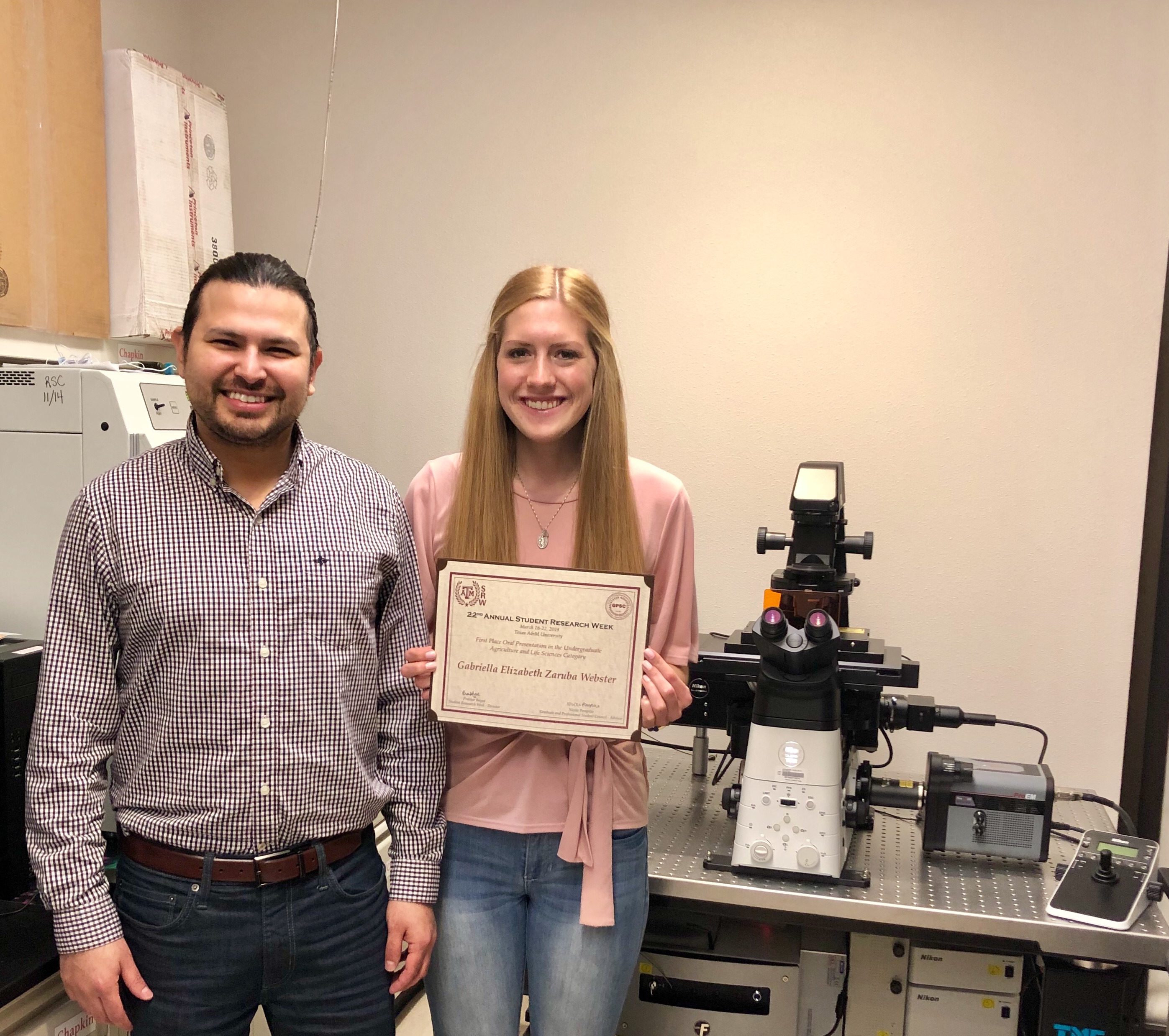
    Huajun Han, Destiny Mullens, Michael Salinas and Gabriella Webster of Chapkin Lab all competed.
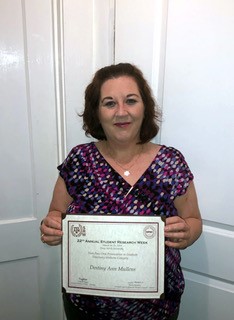
    Destiny Mullens took home 1st in the Veterinary Medicine & Biomedical Sciences Category in Graduate Oral with her presentation titled:  Host exfoliome responses to a dietary lignan intervention in the context of enterolactone excretion phenotypeClick Here to view her Abstract.

    Gabriella Webster placed 1st in the Agriculture and Life Sciences Category in Undergraduate Oral with her presentation titled: “Illuminating molecular mechanisms by which dietary DHA aids in colon cancer preventionClick Here to view her Abstract. Click Here to view her presentation.
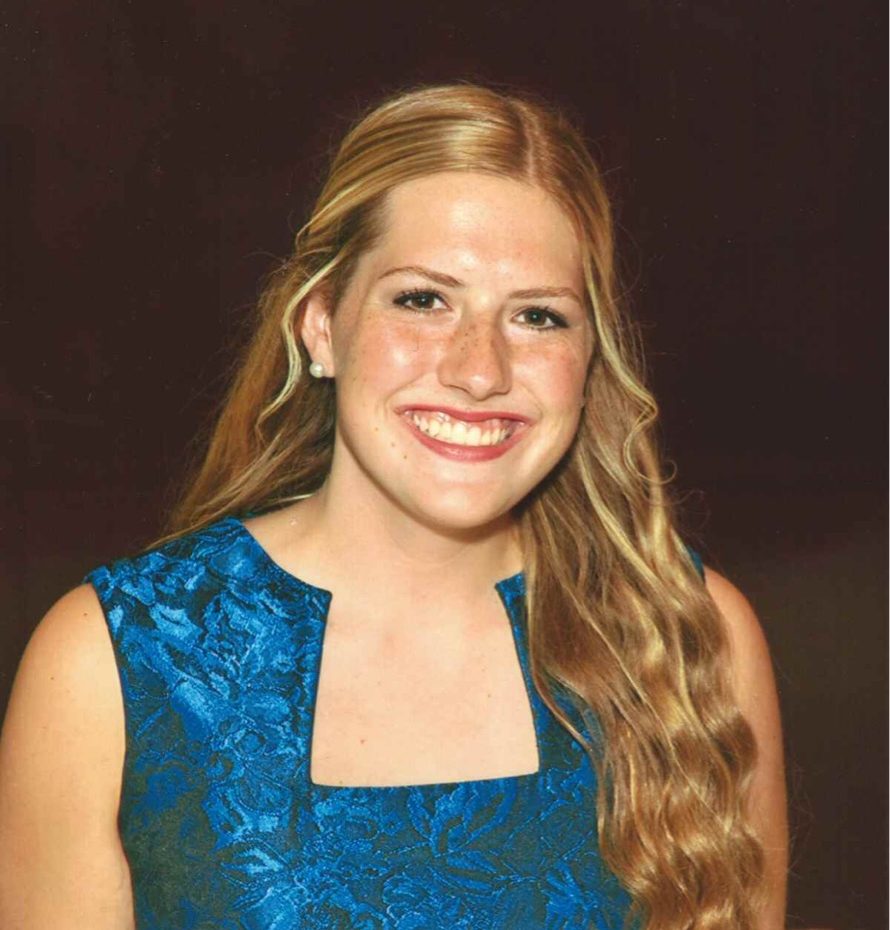
  • Gabriella Webster Selected for Undergraduate Research Program

    ·

    Gabriella Webster

    Gabriella Webster, member of Chapkin Lab has been offered a position in the Biochemistry Undergraduate Research Program.  Gabriella will participate  in a 10-week summer research program as part of her continued research training  in the Chapkin lab.  “Her research will focus on using super-resolution microscopy to probe the molecular mechanisms by which dietary/microbial bioactives alter protein and lipid nanoclustering in cell membranes.”

    Students will have weekly meetings, which allows them to explore research opportunities, discussing research ethics, and learn effective oral and written presentation skills. Financial support will include a stipend of $5500, in addition to living expenses on campus, and some assistance with travel expenses.

    Congratulations Gabriella!

  • Chapkin Webinar on Pros and Cons of Using Animal Models to Advance Nutrition Research in Relation to Colon Cancer Prevention

    ·

    RSCOn Tuesday, February 19, 2019 Dr. Robert Chapkin was a guest speaker for the Webinar on Pros and Cons of Using Animal Models to Advance Nutrition Research in Relation to Colon Cancer PreventionSponsored By: Division of Cancer Prevention, NCI.

    Animal models have been proven useful in understanding the mechanisms underlying cancer prevention in relation to nutritional intervention. However, the differences between animal models and human biology are considerable and therefore, data from preclinical models should be cautiously interpreted. Experts in the field of Nutrition and Cancer  discussed this important topic.

    Topics discussed included:

    1. Colon cancer models – carcinogen
    2. Inflammation biology – inflammatory agents
    3. Genetically-engineered models
    4. Humanized mouse models
    5. Stem cell biology
    6. Challenges (thermoneutrality, dietary dose, genetic heterogeneity)
    7. Gut microbiome
    8. The path forward
  • Fuentes receives awards at the Annual CVM Trainee Research Symposium

    ·

    Robert Fuentes
    Robert receives top award.

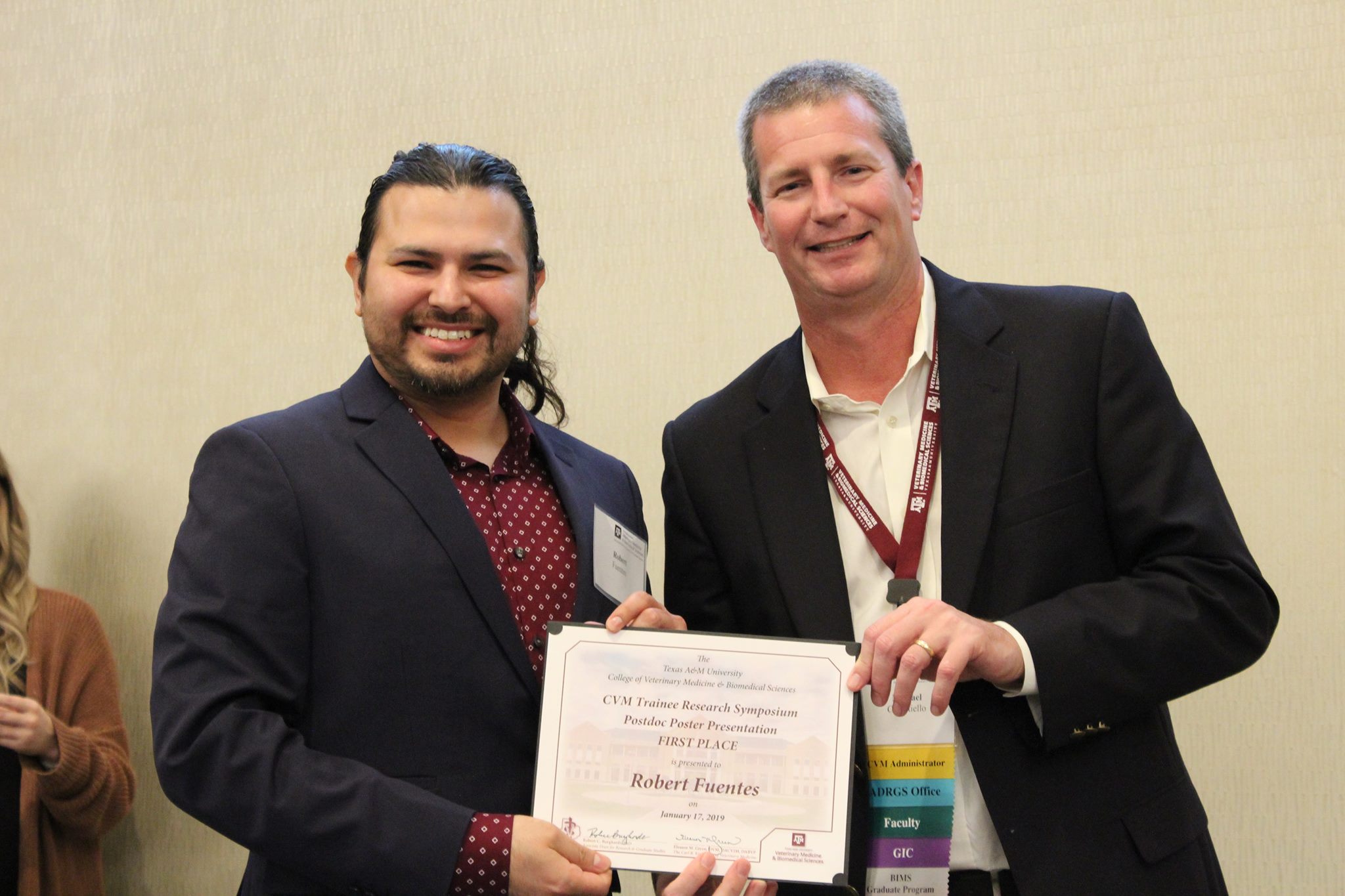
    On January 17, 2019, Dr. Robert Fuentes, member of the Chapkin lab competed in the Annual College of Veterinary Medicine & Biomedical Sciences Trainee Research Symposium.

    Promising graduate and postdoctoral students shared with a community of researchers the projects they’ve been conducting during the one-day symposium in the Veterinary & Biomedical Education Complex (VBEC).

    The annual Graduate Student and Postdoctoral Research Symposium included platform presentations, flash talks (a three-minute synthesis of a poster presentation) and poster presentations representing a plethora of research areas across all of the CVM departments.

    Fuentes was awarded top honors for his abstract titled,Remodeling of Plasma Membrane Proteolipid Composition by Environmental Chemicals and Membrane-Targeted Dietary Bioactives in the following categories:
    Flash Talks: First Place
    Flash Talks: People’s Choice
    Postdoc Poster Presentation: First Place

  • Super-Resolution Fluorescence Microscopy Imaging of the Epidermal Growth Factor Receptor in Drosophila Gut Stem Cells

    ·

    Black background with stem cells

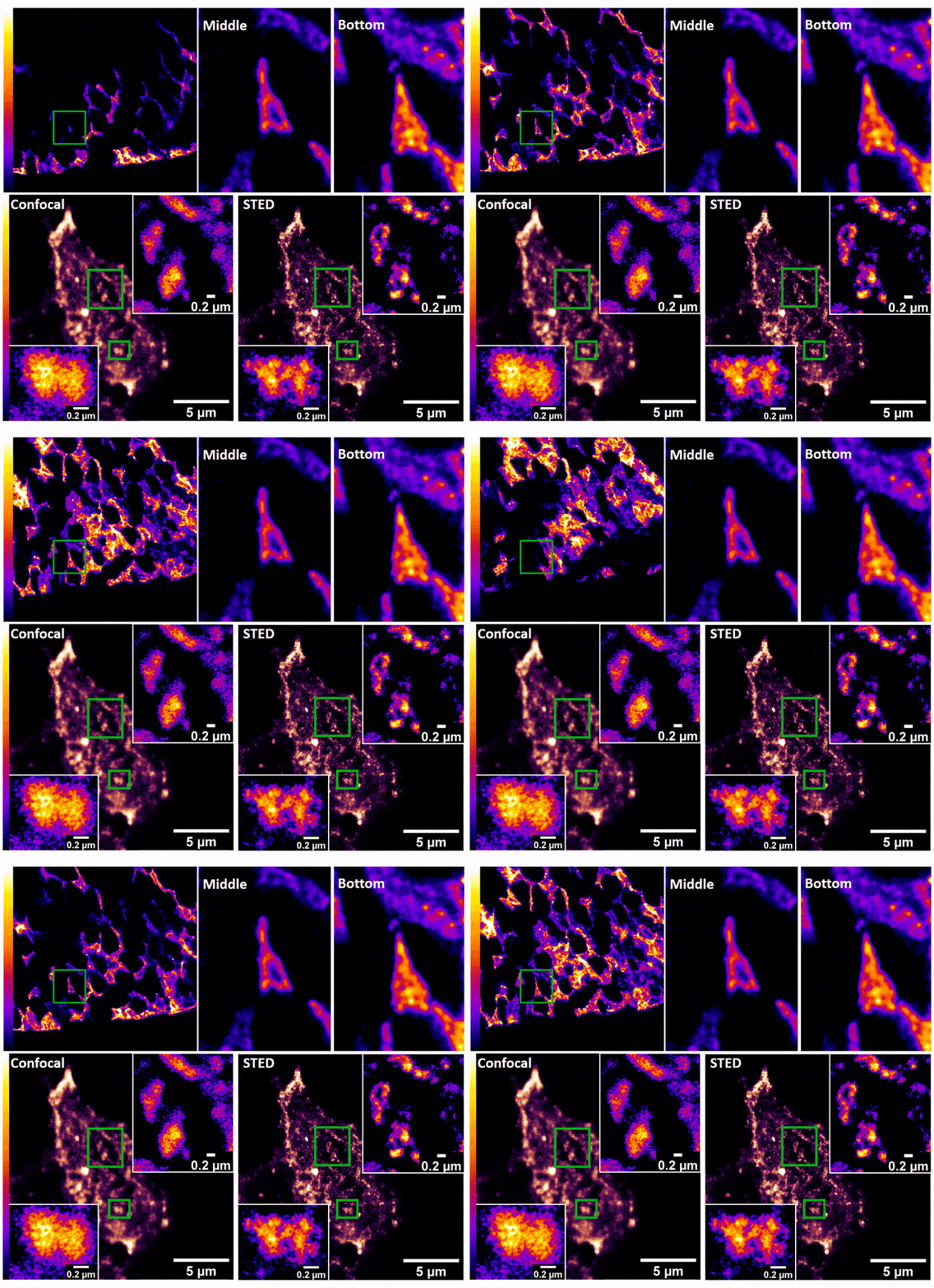
    Confocal z-stack and comparison of confocal vs STED images of Drosophila gut stem cells expressing chimeric (human extracellular, drosophila intracellular) epidermal growth factor receptor (EGFR) labeled with fluorescently conjugated (Alexa 594) anti-human EGFR antibody (Cetuximab).  The STED technique is compatible with drosophila gut tissue and provides a significant resolution improvement over confocal, allowing the nanoscale determination of protein clustering in vivo.

    Dr. Robert Fuentes

    Image acquired on Leica SP8 Confocal, STED, FLIM system microscope, by Dr. Robert Fuentes (Dr. Chapkin’s group, Nutrition and Food Science) and sample prepared by Dr. Mohamed Mlih (Dr. Karpac’s group, Molecular and Cellular Medicine).