Put something in here

  • Press Release with Texas AgriLife Research

    ·

    Dr. Chapkin sitting at his desk in office

    For the last 32 years, Robert Chapkin, Ph.D., Texas A&M Department of Nutrition Distinguished professor, Allen Endowed Chair in Nutrition & Chronic Disease Prevention and National Cancer Institute Outstanding Investigator Award Recipient, College Station, has conducted revolutionary work around noninvasive means of investigating and modeling the role of nutrition in infant development into adulthood. His team’s discovery of what has become known as the “exfoliome,” as well as studies of the gut microbiome in infants, has changed the way in which science investigates nutritional impacts in humans.

    The lack of a noninvasive approach to repeatedly access tissue along the intestinal tract has hampered researchers’ ability to study normal gut development and clinical responses to dietary or medical interventions. Thus, Chapkin spearheaded the discovery of the field of noninvasive precision exfoliomics — development of mRNA-based biomarkers using stool derived exfoliated cells shed from the neonatal and adult intestinal tract. This transformative body of work has enabled big-data applications in precision analysis of gut microbe (prokaryotic) and host (eukaryotic) crosstalk in response to diet and chronic disease risk.

    Understanding the specifics of gut microbes through advanced phenotyping opens the door to explore precision therapies to improve human health on an individualized basis.

    This discovery method has impacted our understanding of neonatal and early childhood development in relation to diet, particularly in studying the effects of breast milk vs. formula. At the same time, it has opened the doors to exploring host-microbe crosstalk and has allowed us to better understand the role diet plays in colon cancer prevention.

    The noninvasive approach was used in a previous study to examine diet and microbes as modifiers to stem cell homeostasis and colon cancer in mice. The results demonstrated that long-chain omega-3 fatty acids found in fish oil have synergistic effects when combined with dietary fiber or curcumin, which is found in turmeric, in dramatically reducing colon cancer risk by selectively destroying damaged stem cells through a process called ferroptosis. 

    These preclinical findings suggest that a pescatarian vegetarian diet (high in omega-3 fatty acids and fiber) might help lower the risk of colon cancer in humans by destroying cancer stem cells before they have the chance to replicate. This project has since moved to the clinical research stage thanks to a National Institutes of Health (NIH) grant in collaboration with the Fred Hutchison Cancer Center in Seattle, WA. 

    Dr. Chapkin looking through microscope


  • New NIH Grant Awarded

    ·

    Chapkin Lab  is pleased to announce the funding of a new grant!
    Attempts to target aberrant Wnt signaling using drugs still face multiple hurdles due to poor tumor cell targeting, negative side effects associated with required long-term treatments and a poor understanding of the mechanisms of action.  Consequently, there is an urgent need to further assess non-toxic Wnt targeted therapeutic approaches.  This recently funded NIH grant proposal seeks to develop novel membrane targeted therapeutic approaches to abate abnormal Wnt signaling in the colon.

  • New Stem Cell Paper Published in EMBO Journal

    ·

    We are pleased to announce that our paper on, “Loss of aryl hydrocarbon receptor potentiates FoxM1 signaling to enhance self‐renewal of colonic stem and progenitor cells” has been published in the EMBO Journal and can now be accessed online.

    Authors include: Huajun Han, Laurie A Davidson, Yang‐Yi Fan, Jennifer S Goldsby, Grace Yoon, Un‐Ho Jin, Gus A Wright, Kerstin K Landrock, Bradley R Weeks, Rachel C Wright, Clinton D Allred, Arul Jayaraman, Ivan Ivanov, Jatin Roper, Stephen H Safe, Robert S Chapkin

    You can view the abstract at the link below:
    https://www.embopress.org/doi/epdf/10.15252/embj.2019104319


  • Chapkin Lab receives a Cancer Prevention and Research Institute of Texas (CPRIT) High Impact High Risk Grant

    ·

    Chapkin Lab  is pleased to announce that Dr. Robert Chapkin was awarded a $250,000 grant from The Cancer Prevention and Research Institute of Texas (CPRIT). These funds will support the “Targeting Plasma Membrane Spatial Dynamics to Suppress Obesity-Induced Colon Cancer” project.

    Research in the Chapkin lab focuses on dietary/microbial modulators related to the prevention of cancer and chronic inflammatory diseases. Our central goal is to (1) understand cancer chemoprevention at a fundamental level, and (2) to test pharmaceutical agents in combination with dietary/microbial (countermeasures to the Western diet) to more effectively improve gut health and reduce systemic chronic inflammation.

    CPRIT awards annual grants through a competitive application and review process. For more on CPRIT awards at Texas A&M University, please view here.

  • Promotions in the Chapkin Lab

    ·

    Alfredo Erazo-Oliveras
    Dr. Alfredo Erazo- Oliveras

    The Chapkin Lab is pleased to announce the promotion of Dr . Alfredo Erazo-Oliveras and Dr.  Xiaoli Wang from Post-Doctoral Researchers to Assistant Research Scientists.

    Alfredo has been with the Chapkin Lab for 4 years and has frequently been recognized for outstanding achievement. Alfredo’s main research focus is to establish the role of oncogenic APC on the dysregulation of cellular plasma membrane physical-chemical properties/homeostatic status and induction of aberrant Wnt signaling in the colon.

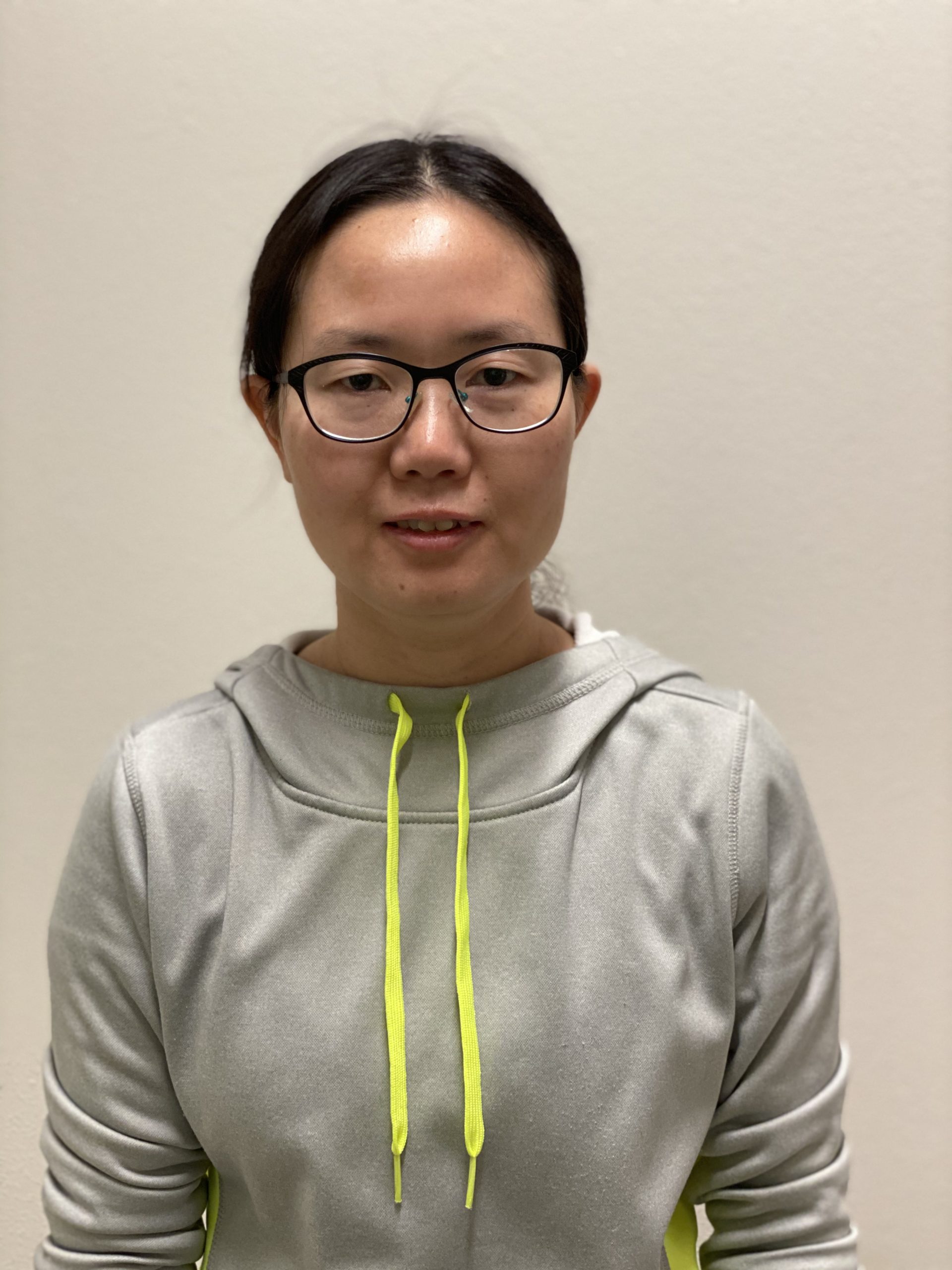
    Dr. Xiaoli Wang
    Dr. Xiaoli Wang

    Xiaoli has been with the Chapkin Lab for just under a year and has quickly proven to be an asset to the team.  Xiaoli’s research is focusing on the study of plasma membrane protein interactions (plasma membrane spatial dynamics-nanoclustering) using complementary fluorescence microscopy techniques. By understanding the mechanism behind those biological processes, her goal is to facilitate the development of membrane-targeted therapies.
    Please join us in congratulating Alfredo & Xiaoli on their promotions!